
Explore thousands of quality products, exclusive deals, and fast delivery options tailored just for you.


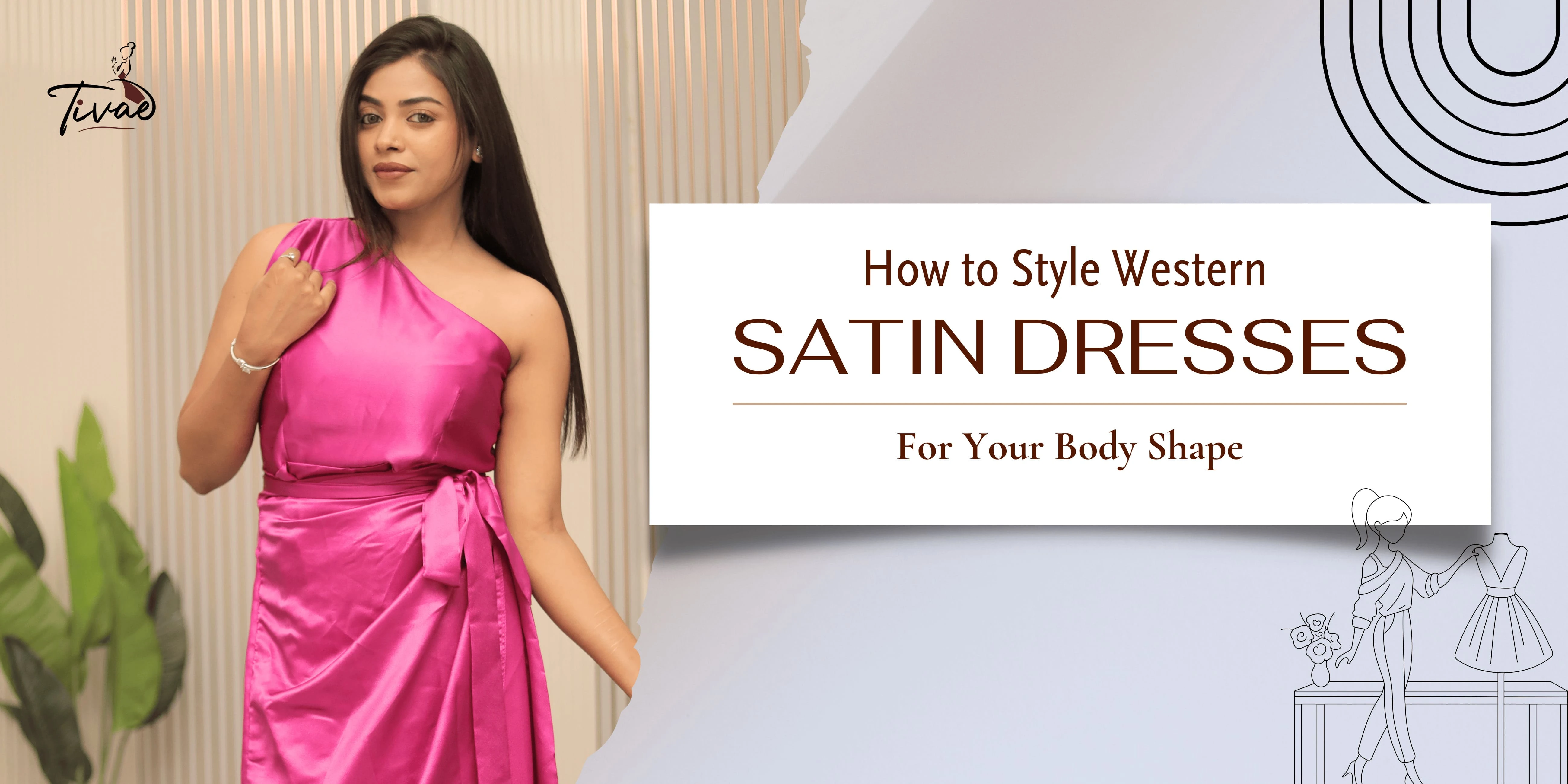
There's a reason satin keeps coming back, season after season, no matter what else is trending. It catches light in a way cotton or crepe just can't — that small thing alone can turn a simple silhouette into something that feels deliberate, almost a little luxurious. But satin has a flip side too. It's unforgiving. It clings, it drapes exactly where your body tells it to, and it shows every seam, every fit decision, in a way most fabrics quietly hide. Which is exactly why getting the fit right matters so much more here than it does almost anywhere else.
If you've ever bought a gorgeous satin piece and then watched it sit wrong on your frame the second you put it on, you already know this frustration firsthand. The good news? Satin's rules around body shape are actually pretty consistent once you know them. This guide walks through how to pick and style satin dresses based on your shape, so your next purchase works with your body instead of constantly fighting it.
Why Satin Just Behaves Differently
Most fabrics have a little built-in structure — some stiffness, some texture that holds shape slightly away from the body. Satin skips all that. Its smooth, slippery weave moves with gravity and follows the body's lines closely, which is exactly what gives it that glossy, fluid look everyone loves. But that same quality means any fit issue — a little too tight here, a little too loose there — becomes much harder to hide. So before you fall for a print or a price tag, it's worth thinking about the dress's actual structure first: where it's tailored, where it's loose, and where the fabric is doing the heaviest visual lifting.
Styling Satin Dresses by Body Shape
Pear shape (narrower shoulders, fuller hips): A-line and fit-and-flare satin dresses tend to work beautifully here. They nip in at the waist and let the fabric fall away from the hips instead of clinging to them. Structured necklines — boat necks, square necks, off-shoulder cuts — add a bit of width up top, which helps balance things out below. Bodycon satin that runs tight from waist to hem is worth avoiding, since the fabric's sheen has a way of drawing extra attention right where you don't want it.
Apple shape (fuller midsection, slimmer legs): Empire waist and wrap-style satin dresses are usually the most flattering route, since they skim over the midsection rather than tracing it. A V-neck stretches the upper body visually and pulls the eye downward and outward, away from the waist. This kind of thoughtful cut is exactly what makes a western dress for women with a fuller midsection feel polished instead of constricting. Lighter, more fluid satin blends tend to work better here than stiffer, structured weaves, which can end up emphasizing the midsection rather than softening it.
Hourglass shape (balanced shoulders and hips, defined waist): Honestly, this is where satin gets to really show off. Bodycon and wrap dresses that follow the natural waistline highlight proportions this shape already has, and satin's drape only amplifies that. A simple belt or self-tie waist detail can sharpen the silhouette even further, without adding any bulk.
Rectangle shape (similar measurements at shoulders, waist, and hips): Here, the goal is creating the illusion of curves where the dress can help. Belted satin dresses are an easy way to carve out a waistline, while ruffles, gathered details, or tiered satin skirts add dimension without overwhelming the frame. Wrap dresses work nicely too — the diagonal fold naturally suggests a more defined waist, even when the body underneath doesn't have one yet.
Inverted triangle (broader shoulders, narrower hips): Balance is really the whole game here. Satin dresses with fuller A-line or flared skirts add volume to the lower half, which helps even out the proportions. Halter and off-shoulder necklines need a bit of care — if the shoulders are already the focal point, a more vertical neckline like a V-neck can soften that emphasis while still looking polished.
Choosing the Right Length and Silhouette
Body types can drastically alter the appearance and overall read of a satin dress. Mini satin dresses is often ideal for petit bodies and casual day-to-day activities in addition to a dressed-up evening feel. It won't lengthen the body in ways a maxi or even a maxi could. Midi Perhaps the safest and universally attractive route; this will hit your leg at a point and work for the vast majority of body types and most heights. Midi is great go-to option for if you're on the fence about what type of satin you should choose. MAXI Typically best for taller figures however a high split can ensure that a maxi will also work well with petite figures, especially if accompanied by a more cinched or nipped waist because our eyes usually travel down the verticality. Scrolling through women dresses online makes it a lot easier to compare these lengths side by side before committing to what actually suits your height and the occasion.
Color, Print, and Accessorizing Tips
Solid, jewel-toned satin — emerald, wine, sapphire — tends to look more elevated than pastels, mostly because deeper colors hide the fabric's tendency to show shadows and creases. Pastel satin works well for daytime and softer occasions, but it can look a touch flat under bright light. Printed satin is trickier territory; smaller, denser prints generally sit better on satin's sheen than large, bold ones, which can warp visually as the fabric moves.
When it comes to accessories, less really is more. A structured blazer or denim jacket thrown over a satin slip dress instantly makes it more versatile for daytime, while delicate jewelry — instead of anything chunky or statement-heavy — tends to complement satin's natural shine rather than compete with it. Pointed-toe heels or strappy sandals elongate the leg line nicely, and that pairing works especially well with midi and mini lengths.
Common Mistakes to Avoid
The most frequent mistake with satin is sizing too tight, assuming the fabric will "give" the way knits do. It won't — and a too-snug fit will show every line underneath, no exceptions. Choosing the right undergarments matters more with satin than with most other fabrics too, since seamless, nude-toned pieces help avoid visible lines showing through. And don't forget fabric weight for the season — heavier satin blends suit cooler months and evening wear, while lighter satin or satin-blend fabrics breathe better for daytime or warmer weather.
Final Thoughts
Satin isn’t one-size-fits-all when it comes to the perfect dress shape; for every body type, there is a universally ideal silhouette. Once you get this right, shopping actually becomes the surprisingly straightforward (dare we say fun?) process you actually thought it would be. Because whether your aesthetic leans into elegant wrap-style looks, flowing A-lines, or sharp and streamlined slip silhouettes, your ultimate aim will be the same: selecting a shape that actually complement-you, instead of hindering your dancing efforts. Next time you're browsing women dresses online, keep these shape-based notes in mind as a quick mental checklist for picking the right western — it'll save you a few returns and get you closer to a dress that actually feels like yours.
Find Your Perfect Satin Look
The right satin dress isn't about chasing trends — it's about choosing a silhouette that complements your shape and lets you feel confident wherever you're headed. Whether you want a chic midi dress, an elegant wrap style, or a statement evening outfit, focusing on fit, fabric, and proportion will always get you further than chasing what's popular.
Explore Tivae's curated collection of western dress for women and discover satin styles designed for every body shape, occasion, and personal aesthetic. Shop thoughtfully, dress confidently, and find a look that feels uniquely yours.

fast shipping all across the country

100% authentic products

we ensure secure transactions

we ensure quality support
Explore thousands of quality products, exclusive deals, and fast delivery options tailored just for you.